Visual Storytelling & Marketing
Breakthrough - the Art Project Project
Project Focus: Visual Storytelling · Emotional Communication · Marketing Strategy
Industry: Marketing · Creative Communications · Visual Design
My Role: Visual Storyteller & Creative Designer — concept development, visual strategy, storytelling, composition, and final presentation
The Challenge
The challenge was to illustrate a personal breakthrough—an internal struggle with fear and self-doubt—and communicate the emotional transformation visually, with as little explanation as possible. The challenge was not simply to create attractive images, but to make an abstract emotional experience understandable through a simple visual story. The audience needed to recognize the feeling of being trapped, see the moment when confidence begins to emerge, and understand the final sense of freedom.
My Role
I developed the visual concept and storytelling approach from the initial idea through the final presentation. I translated the emotional experience into visual metaphors, developed the character’s progression, and designed the sequence of images to communicate the transformation clearly. My role combined visual storytelling, concept development, design thinking, composition, and marketing communication.
Discovery
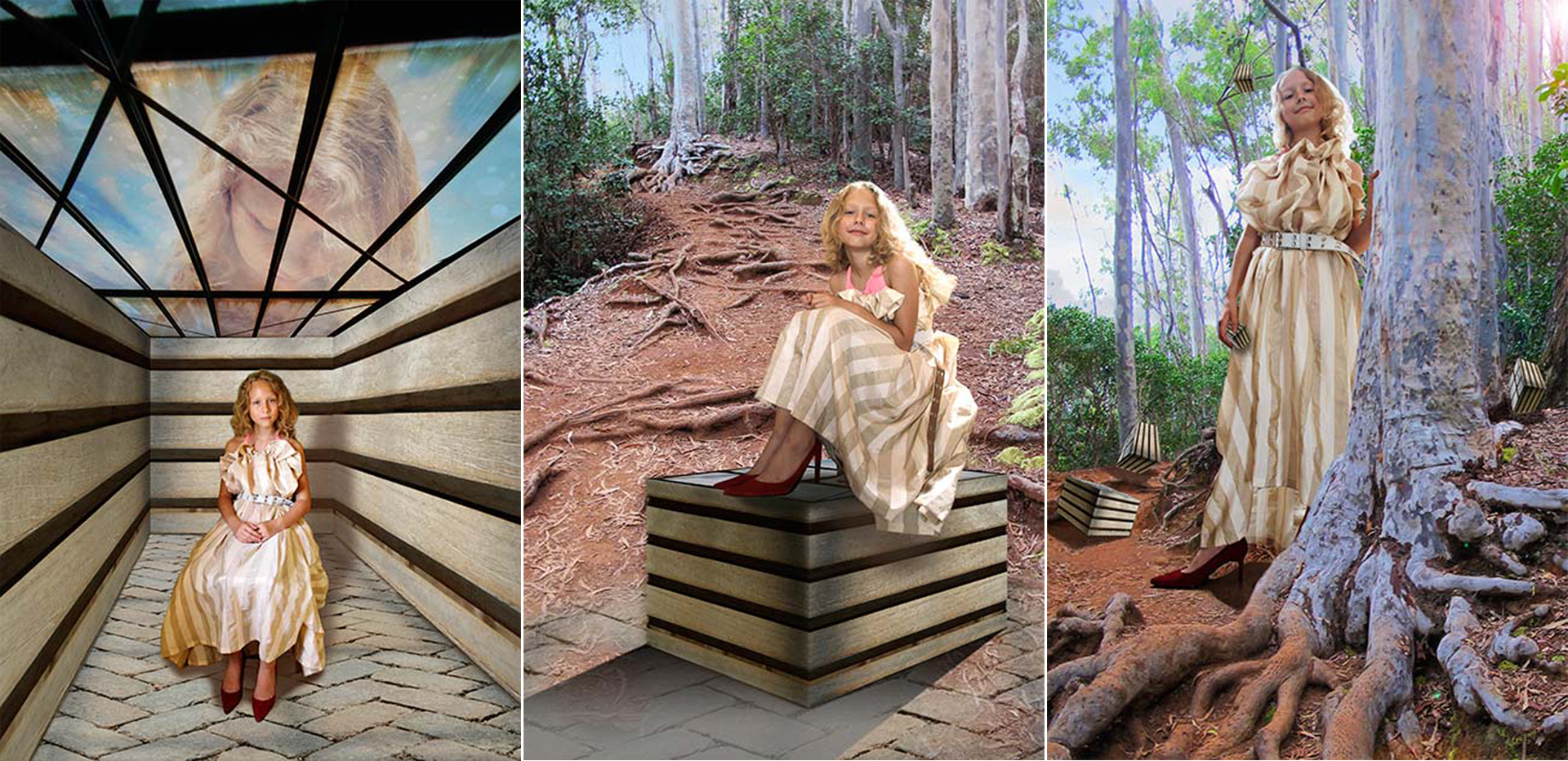
The key insight was that fear and self-doubt are difficult to communicate literally. They are internal experiences, so I needed a visual metaphor that could make the invisible visible. I chose a box as a representation of the mind—a physical space that communicates the feeling of being closed in by one’s own thoughts and limitations. I then used the character’s posture, facial expression, and relationship to the box to communicate emotional change. The three stages became a simple visual journey: fear and isolation → the first step toward confidence → freedom from self-imposed limits.
Strategy
The strategy was to simplify the story rather than explain it. Instead of relying on text to tell the audience what the character was feeling, I used visual progression to allow the audience to discover the meaning. The box establishes the problem, the character’s changing body language communicates the transformation, and the final image provides the emotional resolution. This approach follows a fundamental storytelling principle: show the transformation rather than simply describe it. From a marketing perspective, the goal was to create a story that an audience could recognize emotionally. The specific situation may be personal, but the feeling of fear, hesitation, and finally breaking through a limitation is widely relatable.
Development
The concept developed around three visual moments. The first image establishes the emotional problem. The girl is contained within the box, creating a sense of fear, isolation, and limitation. The second image introduces movement. She begins to step beyond the boundaries of the box, representing the first moment of confidence and the willingness to challenge her own limitations. The third image completes the transformation. Her posture and expression communicate confidence, energy, and freedom as she rejects the boundaries that previously held her back. The simplicity of the composition was intentional. The fewer visual elements competing for attention, the more clearly the audience could understand the emotional progression.
Production
I translated the concept into a cohesive three-image visual sequence, maintaining consistency in composition, character, and visual language while allowing the character’s posture and expression to evolve. The production process focused on making each image work independently while also creating a stronger story when viewed as a sequence. The final presentation positioned the images as stages of one transformation rather than three unrelated illustrations. I also considered how the concept could extend beyond into marketing communication, where a short visual story can communicate an emotional message quickly and create a stronger connection with an audience.
Outcome
The final result was a three-image visual story communicating a complete emotional journey without requiring extensive explanation. The box transformed an abstract psychological concept into a recognizable visual metaphor, while the character’s changing posture and expression made the progression from fear to confidence visible. The project demonstrated how visual storytelling can turn an abstract idea into an experience an audience can see, understand, and emotionally recognize. From a marketing perspective, the project reinforced the value of storytelling as a way to make messages more memorable and relatable. Rather than presenting only an idea or statement, storytelling allows the audience to experience a situation and imagine its transformation.
Reflection
This project showed me that a strong visual story does not need to be complicated. A simple metaphor, when supported by intentional composition and progression, can communicate an idea with considerable emotional impact. Today, I would explore additional iterations earlier in the process—testing different metaphors, compositions, and character expressions before selecting the strongest visual language. I would also consider testing the sequence with an audience to see whether the intended emotional progression is understood without explanation. The biggest lesson was that design can make an invisible experience visible. By combining empathy, storytelling, and visual communication, an abstract personal experience can become a message that other people can recognize in their own lives.